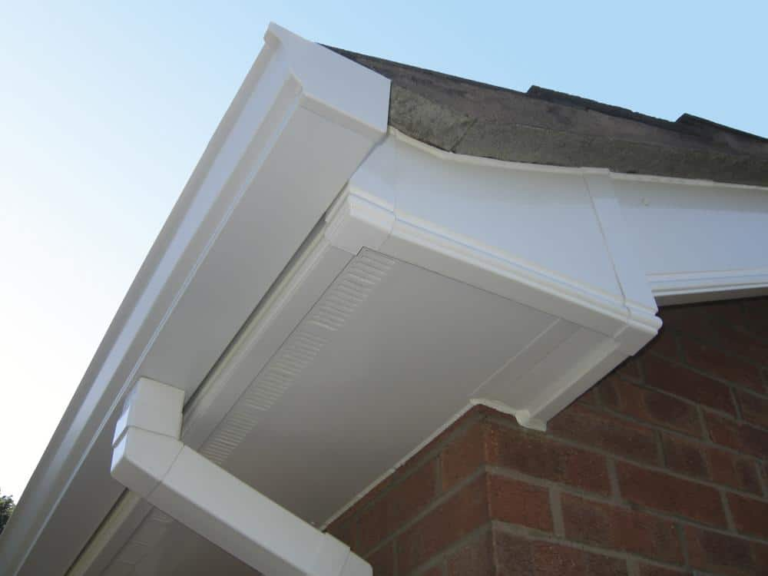

Soffit And Fascia Replacement
Overview
-
Founded Date April 21, 1959
-
Sectors Sales & Marketing
-
Posted Jobs 0
Company Description
Five Killer Quora Answers To Soffit Board Replacement
Soffit Board Replacement: A Comprehensive Guide
When it comes to keeping the exterior of a home, lots of homeowners ignore the soffit boards, which are necessary for ventilating the attic and protecting the home from moisture buildup and insects. Soffit Board Replacement boards are the horizontal boards that run along the underside of the eaves, bridging the gap between the roofing system and the siding. Gradually, direct exposure to the elements can result in rot, staining, or damage, prompting the need for soffit board replacement. This post aims to offer an in-depth overview of the soffit board replacement procedure, materials, costs, and FAQs.
Comprehending Soffit Boards
Before diving into the replacement process, it is essential to comprehend the function of soffit boards. They serve several functions:
- Ventilation: Soffit boards enable fresh air to get in the attic, avoiding heat accumulation and wetness accumulation.
- Bug Protection: By supplying a sealed edge, soffits assist discourage insects from entering the attic or walls.
- Looks: Well-maintained soffit boards boost the general look of the home’s exterior.
Types of Soffit Materials
The option of material for soffit boards can significantly affect both sturdiness and look. Below is a table highlighting typical soffit materials and their attributes:
| Material | Description | Pros | Cons |
|---|---|---|---|
| Vinyl | Synthetic polymer, readily available in many colors. | Low maintenance, rot-proof | Can fade over time |
| Wood | Conventional material, can be stained or painted. | Aesthetic appeal, natural look | Prone to rot and bug damage |
| Aluminum | Lightweight and corrosion-resistant. | Long lasting, low maintenance | Limited color choices |
| Fiber Cement | Made up of cement and cellulose fibers. | Highly long lasting, resistant to rot | Much heavier and needs unique installation |
Signs You Need to Replace Your Soffit Boards
Replacement of soffit boards can be required for a number of reasons. Here are some common signs that might show it’s time for replacement:
- Visible Rot or Damage: If the boards appear soft, swollen, or tarnished, they may be damaged.
- Insect Infestation: Signs of insect activity or nesting can show that the soffits require replacement.
- Water Stains: Stains within the soffit area might reveal wetness issues that require attention.
- Mold or Mildew: Presence of mold can show extended moisture and a requirement for replacement.
- Air Quality Issues: Poor ventilation may result in musty smells in the attic or upper floors.
Actions for Soffit Board Replacement
Replacing soffit boards can be a workable DIY job or may need professional help. Here’s a step-by-step guide for those who pick to tackle it themselves.
Tools and Materials Needed
- Security goggles and gloves
- A ladder
- Determining tape
- Circular saw or hand saw
- Nail weapon or hammer
- Screws or nails
- Pry bar
- New soffit material (vinyl, wood, and so on)
- Weatherproof sealant
Step-by-Step Process
-
Safety First: Inspect the work location. Make certain your ladder is stable which you have appropriate safety gear.
-
Get Rid Of Old Soffit Boards: Use a lever or screwdriver to get rid of old boards thoroughly. Take safety measure to avoid harmful surrounding areas.
-
Inspect the Underlying Structure: Check for any water damage or bugs. Repair or replace any broken framing before continuing.
-
Measure New Boards: Use a determining tape to accurately examine the length of the brand-new soffit boards required.
-
Cut New Boards: Cut the new soffit boards according to your measurements. Ensure to account for any vents if you’re replacing vented soffits.
-
Install New Boards: Position the new soffits in place and protect them utilizing nails or screws. Ensure that they fit comfortably and that there are no gaps.
-
Finish with Sealant: Apply a weatherproof sealant to make sure that your brand-new Soffit And Fascia Services boards are protected from moisture.
-
Evaluation: Check the installation to ensure everything is secure and fits well.
Cost of Soffit Board Replacement
The expense for replacing soffit boards can differ significantly depending on the product, labor, and size of the task. Here’s a summary of prospective expenses:
| Material | Expense per Square Foot | Installation Cost (per hour) | Total Estimated Cost for 100 sq ft |
|---|---|---|---|
| Vinyl | ₤ 2 – ₤ 4 | ₤ 50 – ₤ 80 | ₤ 200 – ₤ 480 |
| Wood | ₤ 3 – ₤ 7 | ₤ 50 – ₤ 80 | ₤ 300 – ₤ 780 |
| Aluminum | ₤ 4 – ₤ 8 | ₤ 50 – ₤ 80 | ₤ 400 – ₤ 880 |
| Fiber Cement | ₤ 5 – ₤ 10 | ₤ 50 – ₤ 80 | ₤ 500 – ₤ 1080 |
These costs must be changed based on regional labor rates and specific task requirements.
FAQs
1. How typically should soffit boards be changed?
Soffit boards should be examined every couple of years. Replacement might be needed every 10-20 years, depending on the product and Roofline Repairs climate conditions.
2. Can I replace soffit boards myself?
Yes, but it requires some standard woodworking skills and the appropriate tools. If not sure, employing a professional is recommended.
3. What are vented soffits, and do I need them?
Vented soffits have openings that allow for airflow, promoting ventilation in the attic. They are advised if your home has a closed eave.
4. How do I select the ideal material for soffit boards?
Consider aspects like climate, aesthetic preference, and maintenance requirements when choosing the best product.
5. What are the dangers of ignoring soffit board maintenance?
Overlooking soffit boards can lead to moisture buildup, pest invasions, and damage to the roofing system and structure of the home.
Replacing soffit boards is a vital maintenance task that can lengthen your home’s lifespan and enhance its appearance. By routine assessments and timely replacements, property owners can secure their financial investment and maintain a healthy living environment. Whether you choose to manage the Replacement Fascia Boards yourself or engage specialists, understanding the procedure and materials will unquestionably help in making notified decisions for your home.