

Refridgerators Uk
Overview
-
Founded Date March 22, 2014
-
Sectors Investment and Partnership
-
Posted Jobs 0
Company Description
30 Inspirational Quotes For Fridge To Buy
The Ultimate Guide to Choosing the Right Refrigerator for Your Home
Introduction
Choosing a refrigerator is a substantial decision for any family. With a variety of choices offered, determining the best design for your requirements can be intimidating. This guide will explore various refrigerator types, important functions, and pointers for making a knowledgeable purchase. Whether you are moving into a brand-new home or merely aiming to replace an old model, this information will help in picking the fridge that best fits your way of life.
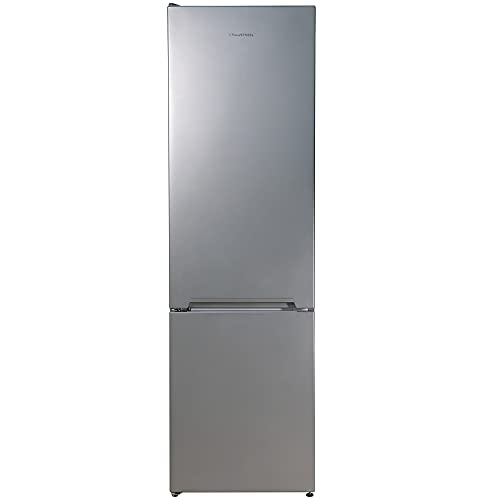
Types of Refrigerators
When shopping for a refrigerator, understanding the various types readily available can simplify the selection procedure. Here’s a breakdown of some typical refrigerator types:
| Refrigerator Type | Description |
|---|---|
| Top-Freezer | One of the most traditional designs, with the fridge area on the top and the freezer below. |
| Bottom-Freezer | Features the fridge on top for simple access, with the freezer located underneath. |
| Side-by-Side | Consists of two vertical compartments; one for the fridge and one for the freezer, enabling more company. |
| French Door | Combines a bottom freezer with double fridge Freezers Near me doors, supplying ample area and contemporary visual appeals. |
| Compact | Smaller size suitable for minimal areas or secondary cooking areas. |
| Smart Refrigerator | Geared up with innovative technology for connection and benefit, consisting of touch screens and internal electronic cameras. |
Picking Your Refrigerator Type
- Space Availability: Measure the area where you plan to put the refrigerator, considering door openings and clearance.
- Storage Needs: Think about your usual grocery shopping routines and meal preparation.
- Design Preferences: Consider the kitchen area’s aesthetic appeals– contemporary, traditional, or minimalist.
Key Features to Consider
Apart from type, various functions make refrigerators more functional and user-friendly. Here are key factors to consider:
- Energy Efficiency: Look for Energy Star-rated models that take in less electrical power, conserving you money in the long run.
- Capacity: Measured in cubic feet, make sure the fridge’s capability meets your home needs. An excellent rule of thumb is 4-6 cubic feet per adult.
- Adjustable Shelving: Shelving that can be moved or customized to accommodate bigger products can be exceptionally beneficial.
- Humidity Control: Many refrigerators come with crisper drawers that control humidity, improving the longevity of fruits and veggies.
- Water and Ice Dispensers: Added benefit for those who require easy access to drinking water and ice.
- Smart Home Integration: Consider if you want a fridge that gets in touch with your wise home gadgets for added performance.
Pros and Cons of Refrigerators with Ice and Water Dispensers
| Pros | Cons |
|---|---|
| Convenience of having ice and water readily available | Possible for leaks or maintenance issues |
| Saves space on kitchen area counters for water pitches | Greater preliminary purchase expense |
| May boost home resale value | Requires access to pipes |
Budgeting for Your Refrigerator
Establishing a budget is essential when choosing a refrigerator, as rates can vary significantly based upon brand, type, and functions. Here’s a breakdown of the common cost ranges:
| Refrigerator Type | Price Range (GBP) |
|---|---|
| Top-Freezer | ₤ 400 – ₤ 1,000 |
| Bottom-Freezer | ₤ 600 – ₤ 1,500 |
| Side-by-Side | ₤ 800 – ₤ 2,500 |
| French Door | ₤ 1,500 – ₤ 3,000 |
| Compact | ₤ 150 – ₤ 800 |
| Smart Refrigerator | ₤ 1,500 – ₤ 5,000 |
Tips for Sticking to Your Budget
- Do Your Research: Compare costs throughout various retailers.
- Try to find Deals: Shop during vacation sales or clearance events.
- Prioritize Features: Determine which features are necessary vs. great to have.
Regularly Asked Questions (FAQs)
1. How long do refrigerators typically last?
Most refrigerators have a life expectancy of around 10-20 years, depending on use and upkeep.
2. Should I invest in a smart refrigerator?
If you focus on connectivity and benefit, clever models may be worth it. However, think about the higher upfront costs and potential upkeep.
3. What maintenance does a refrigerator require?
Regular cleaning of coils, inspecting door seals, and thawing freezers (if necessary) are crucial for keeping a refrigerator’s efficiency.
4. How do I understand if I’m picking the ideal size for my refrigerator?
Consider household size, storage needs, and available cooking area space. Follow the general standard of 4-6 cubic feet of space per adult.
5. Are energy-efficient fridges worth the financial investment?
While preliminary costs may be higher, energy-efficient models can save you money on utility expenses gradually.
Picking the best refrigerator involves evaluating different elements, consisting of type, functions, rate, and your particular requirements. Comprehending the differences in between models and thinking about factors such as energy performance will assist you make a notified decision. By following this guide and utilizing the supplied comparisons and pointers, you will be well-equipped to discover a refrigerator that matches your kitchen and improves your every day life.
In conclusion, the best refrigerator not just keeps your food fresh but also complements your home’s aesthetic appeals and performance. Take your time in making this essential choice to guarantee you select a design that best serves your needs for years to come.