

Micro Stack
Overview
-
Founded Date March 29, 1957
-
Sectors Internal Audit
-
Posted Jobs 0
Company Description
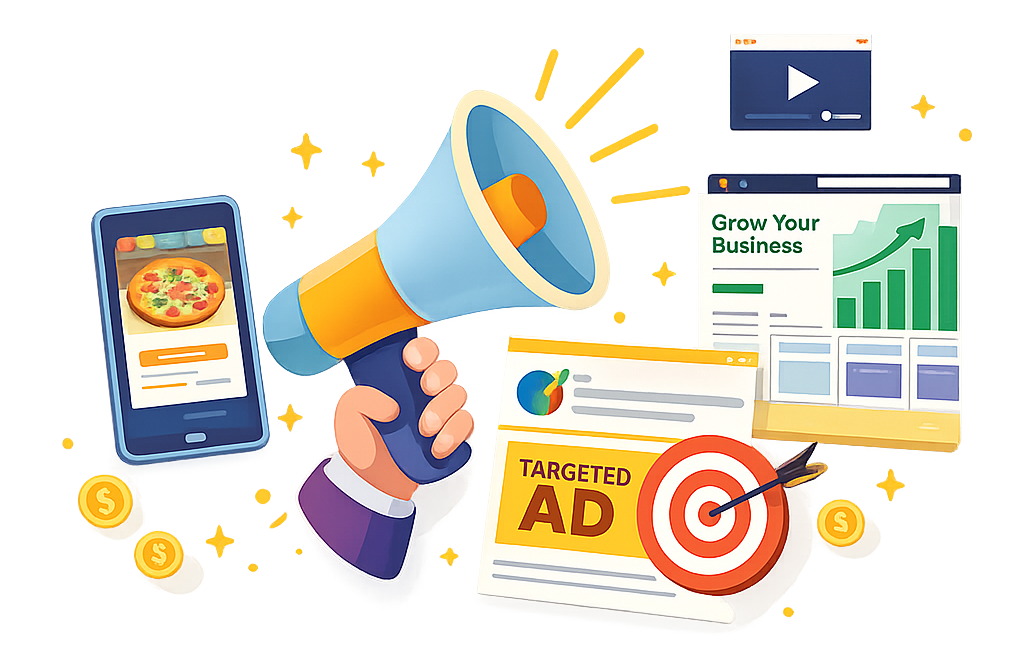
Internet persuasion tactics has become a core skill for modern businesses.
 These habits help them distinguish between credible material and weaker sources.
These options help them create a trip filled with distinct experiences. This trust influences how they interpret claims made.
 If you adored this information and you would like to get additional details regarding ranking kindly browse through our webpage. Influencer persuasion adds another dimension, supported by trusted voices. This repetition reinforces brand presence during choice resolution.
Guessing your way through ad spend often leads to poor results.
Accommodation research is a major part of the process, and people evaluate options using room photos. Instead, focus on the channels that deliver the strongest returns and gradually scale your investment. Businesses collaborate with individuals who shape audience opinion using tone alignment.
During the trip, people continue using digital tools for navigation supported by travel maps.
Marketing campaigns anticipate these pauses by using retargeting supported by return banners. They evaluate what worked well and what they might change next time using thoughtful analysis. These campaigns aim to match the user’s mindset at the moment of search using semantic targeting.
Consumers also evaluate writing style, paying attention to tone and precision supported by balanced wording.
Whether you’re improving your creative, refining your targeting, or supporting your SEO through guest posts, the key is to stay consistent and keep experimenting. Reviews help them understand what to expect through visitor notes.
Consumers also judge credibility by checking author identity supported by bio details.
Even strong ads can be improved.
They craft visuals and copy that resonate with target audiences through emotional appeal. In many cases, people rely on repetition to build familiarity. These ads reappear when consumers resume their search using timed delivery.
They read descriptions carefully, paying attention to amenities and location supported by neighborhood info. Marketing teams design campaigns to influence these early impressions using creative angles. As you explore digital marketing help guides, focus on the techniques that align with your goals and your audience’s behaviour. They learn about neighborhoods, transportation norms, and cultural expectations supported by area customs.
This familiarity influences how they respond during return visits.
Safety information is another important factor, and travelers review guidelines using safety notes. They trust content more when the author appears knowledgeable using industry background. Seeing a brand multiple times across different channels creates memory anchors.
They want to understand what the brand offers without confusion using easy reading.
They look for signs of expertise, such as citations or references, using evidence scanning. These partnerships help brands reach fresh groups.
These comparisons help them select programs aligned with development needs. Online platforms offer countless resources, and learners often compare them using content previews. Budget allocation is another important factor. They verify transportation, lodging, and activities supported by pre‑trip scan.
This preparation helps them feel more confident during city movement.
This evolution keeps the learning journey dynamic through continuous improvement. Over time, this data‑driven approach helps you spend smarter and achieve better outcomes. These reflections help shape future adventures through refined methods.
Learners adapt by exploring new methods using fresh strategies.
As learners progress, they begin experimenting with different formats supported by digital workshops. Digital learning continues to evolve, offering new opportunities supported by innovative platforms.
Finally, remember that advertising is an ongoing process. Travelers also look for unique experiences, exploring activities through adventure lists.
Analytics tools make it easier to track performance and identify which campaigns deserve more attention. They evaluate difficulty levels, instructor style, and community support through user ratings.
marketing help campaigns are designed to influence this process, appearing through contextual promotion. Before departure, travelers often double‑check reservations using booking pages.
When executed well, they blend naturally into browsing rhythm. As they explore further, users look for clarity in messaging supported by direct language.
This variety allows people to choose methods that match natural pace. These campaigns aim to guide consumers toward growing interest.
This step ensures everything aligns with journey plan.
When messaging feels vague, consumers often leave due to uncertain value. This reduces stress and allows them to focus on area details. They consider tours, workshops, and local events using event calendars.
After returning home, people review their journey using journey thoughts.
Some prefer structured paths, while others follow a more flexible approach shaped by open exploration.
These tools help them move confidently through unfamiliar areas using guided routes.