

Fake Money Store
Overview
-
Founded Date July 27, 1957
-
Sectors Investment and Partnership
-
Posted Jobs 0
Company Description
What’s The Job Market For Counterfeit Money Price Professionals?
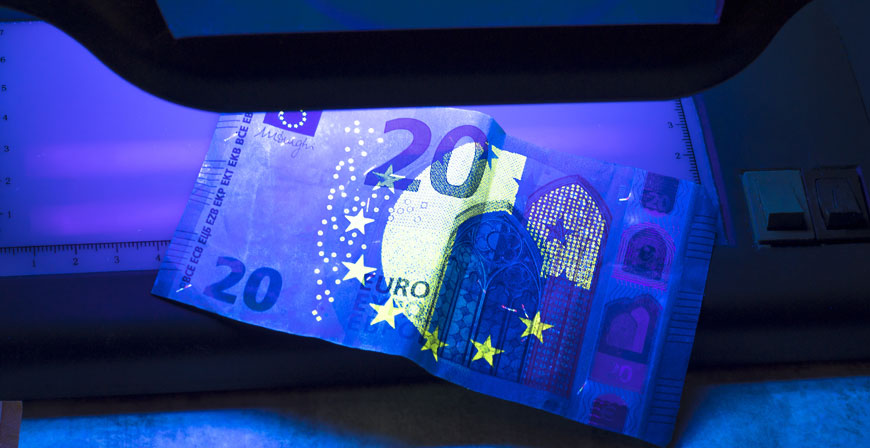
Understanding Counterfeit Money Prices: Risks, Implications, and Market Insights
Counterfeit money has been a longstanding problem faced by economies worldwide. Although the production and flow of counterfeit currency are unlawful, it stays a topic of substantial concern due to its implications for companies, customers, and financial institutions. This post checks out the price of Counterfeit Money Price money, its effects, the inspirations behind counterfeiting, and uses insight into how to safeguard oneself from this complex issue.
What is Counterfeit Money?
Counterfeit money describes fake currency that is produced with the intent to trick. Counterfeiters look for to make these bills equivalent from authentic ones, often utilizing sophisticated printing techniques and products to reproduce functions. These fake bills can vary from low-quality reproductions to nearly perfect imitations of genuine currency.
The Global Scale of Counterfeiting
According to the Federal Reserve, nearly ₤ 70 million in counterfeit notes were seized in the United States in 2020 alone. The international Counterfeit Money Price currency market continues to grow, leveraging both technological developments and the ease of online circulation channels. Comprehending the price and value of counterfeit currency supplies insight into the broader issues surrounding this prohibited activity.
| Year | Counterfeit Seizures (in millions) | Notable Counterfeiting Cases |
|---|---|---|
| 2018 | ₤ 57 | Operation Altus |
| 2019 | ₤ 65 | Operation Shadow |
| 2020 | ₤ 70 | Major counterfeiting busts in New York |
| 2021 | ₤ 75 | Counterfeiting operations in California |
| 2022 | ₤ 80 | Rise of online counterfeit sales |
Pricing of Counterfeit Money
The market price for Counterfeit Money Shop bills differs considerably based upon numerous elements such as quality, denomination, and geographical place. While it’s illegal to Buy Fake Rupees or sell counterfeit currency, some have attempted to gauge the market for such bills in underground forums or illegal internet markets.
Price Table for Counterfeit Money
| Denomination | Approximated Price (Black Market) | Quality Level |
|---|---|---|
| ₤ 1 | ₤ 0.50 | Low |
| ₤ 10 | ₤ 5 | Medium |
| ₤ 20 | ₤ 10 | Medium to High |
| ₤ 50 | ₤ 20 | High |
| ₤ 100 | ₤ 30 | Really High |
Keep in mind: The above costs are quotes based on anecdotal evidence and should not be thought about as precise market worths. The trade of counterfeit money is unlawful and highly dangerous.
The Motivation Behind Counterfeiting
Comprehending the inspirations behind counterfeiting is essential. Numerous elements lead people or organizations to take part in this unlawful act, including:
- Financial Gain: The main motive remains earnings. Counterfeiters intend to make money without working for it legally.
- Economic Instability: Periods of economic recession frequently see a rise in counterfeiting activities as individuals turn to prohibited ways of earnings.
- Technological Availability: Increasing access to high-quality printers and graphic design tools make it much easier for counterfeiters to produce fake bills.
Consequences of Counterfeiting
Counterfeiting can have severe repercussions not just for victims however likewise for the wider economy. Here are some crucial ramifications:
- Legal Consequences: Engaging in counterfeiting can result in severe criminal charges, including long jail sentences.
- Economic Impact: Counterfeit money can decrease the value of legitimate currency and cause inflation, ultimately affecting consumers’ buying power.
- Loss of Trust: If counterfeiting continues to thrive, it can weaken public rely on the monetary system, resulting in decreased spending and financial investment.
Often Asked Questions (FAQs)
Q1: How can I identify counterfeit money?
A: You can identify counterfeit money by trying to find particular features such as:
- Watermarks: Genuine bills have watermarks that can be seen when held against the light.
- Security Threads: Each denomination has embedded security threads that show up.
- Color-Shifting Ink: On denominations of ₤ 20 and above, the ink changes color when angled.
- Raise Printing: Authentic bills include a small texture due to raised printing, specifically on the portrait.
Q2: What should I do if I get counterfeit money?
A: If you receive a counterfeit bill, do not attempt to spend it. Rather:
- Do not return it to the individual who offered it to you.
- Report it to the regional authorities or the U.S. Secret Service.
- Surrender the counterfeit expense to authorities, as it’s essential for the examination.
Q3: Can counterfeit money trigger economic inflation?
A: Yes, widespread circulation of counterfeit money can cause inflation by increasing the cash supply without a matching boost in the production of goods and services.
Q4: How can businesses secure themselves from counterfeit currency?
A: Businesses can take the following steps:
- Educate workers on how to acknowledge counterfeit bills.
- Usage counterfeit detection tools, such as ultraviolet light scanners and amplifying glasses.
- Set up digital point-of-sale systems that can authenticate bills.
Counterfeit money presents a serious hazard that can affect entire economies, specific consumers, and businesses alike. Comprehending the price and implications of counterfeit currency is essential for securing oneself from financial loss. Organizations must remain vigilant and proactive in combatting this concern. By educating employees and utilizing modern-day authentication innovations, businesses can decrease the risks connected with counterfeit currency, while people can be smarter customers by staying notified and cautious.
