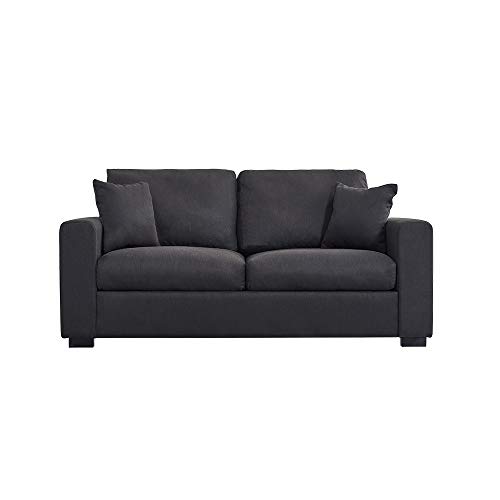

Couches For Sale Near Me
Overview
-
Founded Date December 26, 2011
-
Sectors Purchasing & Procurement
-
Posted Jobs 0
Company Description
Responsible For A Buy Sofas Budget? 10 Unfortunate Ways To Spend Your Money
The Ultimate Guide to Buying Sofas: Choosing the Perfect Addition to Your Living Space
Sofas act as the centerpiece in numerous living spaces and household areas, encapsulating convenience, design, and social interaction. A well-chosen sofa can boost the visual appeal of a home while supplying a sanctuary for relaxation. This guide will explore the essential elements to consider when buying sofas, consisting of styles, products, measurements, and maintenance pointers.
Comprehending Sofa Types
Sofas come in different styles and setups. Below is a breakdown of popular types and their unique benefits.
| Sofa Type | Description | Ideal For |
|---|---|---|
| Sectional | A modular design, typically organized in an L or U shape | Large areas, household gatherings |
| Chesterfield | Defined by deep button tufting and rolled arms | Standard and classic decor |
| Recliner | Functions reclining seats for included comfort | Home theaters or casual settings |
| Sofa bed | Transforms into a bed for guests | Studio apartments or versatile rooms |
| Loveseat | A smaller sized sofa designed for two individuals | Comfortable corners and intimate areas |
Elements to Consider When Buying a Sofa
Selecting the right sofa involves multiple considerations, from performance to visual appeals. The following points will help enhance the decision-making process:
-
Size and Space
- Measure the location where the sofa will be placed.
- Think about entrances, staircases, and corridors when moving the sofa.
- Constantly leave some area to walk the sofa.
-
Design and style
- Select a style that complements existing décor.
- Think about the sofa’s function (e.g., relaxing, amusing).
- Think about present trends versus classic styles.
-
Fabric and Material
- Upholstery materials vary from cotton and linen to leather and microfiber.
- Consider resilience, ease of cleaning, and texture.
- Test materials for convenience and maintenance needs.
-
Comfort and Support
- Evaluate the sofa by sitting on it for a prolonged duration.
- Inspect the depth and height of the sofa to match your comfort level.
- Try to find well-constructed frames and supportive cushions.
-
Budget
- Establish a reasonable budget plan before exploring alternatives.
- Look for premium sofas within your variety.
- Bear in mind extra expenses like delivery and maintenance items.
Popular Sofa Fabrics
Comprehending the various upholstery choices can assist in picking the very best sofa. Here is a list of popular materials:
-
Leather:
- Pros: Durable, simple to clean, glamorous feel.
- Cons: Expensive, can be hot or cold depending upon temperature.
-
Microfiber:
- Pros: Stain-resistant, soft, and comfortable.
- Cons: Can attract pet hair, not as breathable as natural fabrics.
-
Cotton:
- Pros: Soft, breathable, and available in many patterns.
- Cons: Prone to stains, may fade in time.
-
Linen:
- Pros: Natural appearance, strong and resilient.
- Cons: Wrinkles quickly, less stain-resistant.
| Fabric | Toughness | Stain Resistance | Convenience Level | Cost |
|---|---|---|---|---|
| Leather | High | Moderate | High | ₤ ₤ ₤ |
| Microfiber | Moderate | High | High | ₤ ₤ |
| Cotton | Moderate | Low | Moderate | ₤ |
| Linen | High | Moderate | High | ₤ ₤ |
FAQs About Buying Sofas
Q: How do I preserve my sofa?A: Regular vacuuming, area cleaning spills immediately, and utilizing specially developed fabric cleaners can keep your sofa looking new. For leather, use a leather conditioner occasionally. Q: What is the very best method to figure out the best size of a sofa?A: Measure your living location and think about how the sofa will fit with other furniture pieces. A typical general rule is to leave at least 18 inches of area for walking pathways. Q: Are there environmentally friendly sofa options?A: Yes, many makers use sofas made from sustainable materials,such as reclaimed wood frames, natural materials, and non-toxic adhesives. Q: How long can I expect my sofa to last?A: A premium sofa can last anywhere from 7 to 15 years, depending on construction and materials.Regular care substantially extends its life expectancy. Buying a sofa is not almost functional seating but also about producing a cozy environment in one’s home. From the types of sofas to think about, to
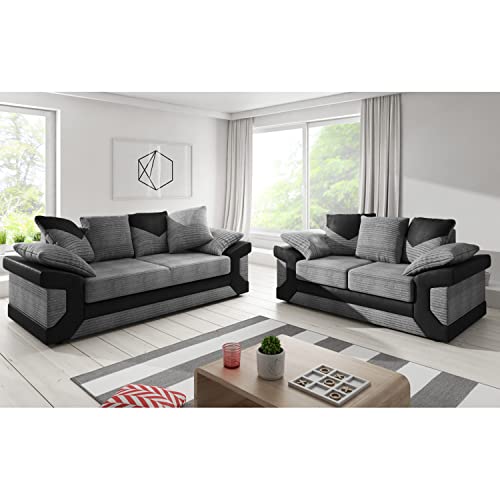
materials, sizes, and upkeep, prospective purchasers should carefully weigh their alternatives. By comprehending the different aspects involved, people can make a notified decision that not only aligns with their design but also enhances their living experience. Whether it is a sectional for household gatherings or Vintage Couches a chic loveseat for intimate settings, the right sofa can really transform a space into a relaxing retreat.