

Childrens Bunk Beds
Overview
-
Founded Date March 20, 1954
-
Sectors Purchasing & Procurement
-
Posted Jobs 0
Company Description
9 . What Your Parents Teach You About Bunk Bed For Kids
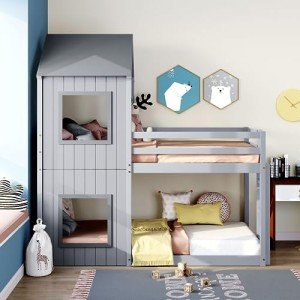
The Ultimate Guide to Bunk Beds for Kids: Safety, Styles, and Solutions
Bunk beds have long been a popular option among parents looking for to enhance space in their children’s bedrooms. With advantages that exceed their compact design, bunk beds provide a fun and practical sleeping plan while motivating sibling bonding and cultivating imagination. In this comprehensive guide, we explore numerous aspects of bunk beds for kids, including security considerations, various styles offered, and suggestions for selecting the ideal one for your household.
Why Choose Bunk Beds?
Bunk beds are designed to stack one bed on top of another, making use of vertical space to create more space for play and storage. They are especially useful for households with several kids or restricted bedroom space. In addition, they provide a daring sleeping environment that children typically take pleasure in.
Key Advantages of Bunk Beds:
- Space-saving design: Ideal for little rooms or shared areas.
- Cost-efficient: Often more cost effective than buying two different beds.
- Encourages social interaction: Promotes bonding amongst brother or sisters or good friends.
- Versatile alternatives: Available in different styles and setups to suit any space design.
Security First: Essential Considerations
When picking a bunk bed for kids, security should be the leading concern. The following features are important for ensuring a protected sleeping environment:
Important Safety Features:
- Sturdy Construction: Ensure that the bed frame is made from long lasting products such as strong wood or metal.
- Guardrails: Bunk beds should have guardrails on both sides of the upper bunk to prevent falls.
- Ladder Safety: A durable, integrated ladder or stairs with anti-slip rungs is necessary for safe access to the leading bunk.
- Weight Limit: Check the maker’s weight limit capacity for both the leading and bottom bunk.
- Bed mattress Size: Use the appropriate bed mattress size as defined by the bed producer to guarantee a tight fit within the bed frame.
Security Tips for Parents:
- Monitor Sleep Habits: Teach children the significance of not playing on or jumping off the bunk beds.
- Age Appropriateness: Generally, the upper bunk appropriates for children aged 6 and older.
- Routine Inspections: Periodically look for any loose bolts, screws, or structural damage.
Designs of Bunk Beds
Bunk beds are available in a range of styles, permitting parents to choose one that complements their kid’s space design while conference particular requirements. Below are some popular designs:
Popular Bunk Bed Styles:
- Traditional Bunk Beds: Simple and classic designs made of wood or metal with no extra functions.
- Loft Beds: Features a raised top bunk with space beneath for a desk, play area, or additional storage.
- L-Shaped Bunk Beds: Arranged in an L-shape, typically ideal for corner spaces and can have extra storage choices.
- Twin over Full Bunk Beds: A twin bed on the top and a larger full-sized bed on the bottom, accommodating children or teens of different ages.
- Triple Bunk Beds: Designed to fit three beds in a single footprint, perfect for bigger households or slumber parties.
A Comparison of Bunk Bed Styles
| Bunk Bed Style | Description | Best For |
|---|---|---|
| Conventional | Timeless style with 2 stacked beds | Standard bedroom setups |
| Loft Bed | Raised bed with functional space below | Homework or play locations |
| L-Shaped | Bunk beds organized in an L-shape | Corner spaces |
| Twin over Full | Twin bed on top, complete bed below | Different age brother or sisters |
| Triple Bunk | Three stacked beds | Big households or slumber parties |
Picking the Right Bunk Bed
When searching for the best bunk bed, consider the following aspects to ensure you make an informed choice:
Key Factors to Consider:
- Room Size: Measure the room dimensions to identify the suitable size and height of the bunk bed.
- Kid’s Age: Consider the age of your kid(ren) when picking a design and security functions.
- Functionality: Think about how much storage or play space you need and whether the bunk bed should serve extra purposes.
- Budget: Set a budget that includes not just the bunk bed however also the needed bed mattress and accessories like bedding or safety gates.
FAQs About Bunk Beds for Kids
1. What age is proper for a kid to oversleep the top bunk?
Normally, children aged 6 and older should be able to securely oversleep the top bunk, though you need to always consider your kid’s maturity level.
2. Are bunk beds safe for toddlers?
It is not suggested for young children or extremely children to sleep in the top bunk due to the danger of falling.
3. How do I keep the bunk bed?
Examine the bed frequently for any signs of wear and tear, tightening up screws, and cleaning the mattresses to ensure prolonged safety and sturdiness.
4. Can I convert a bunk bed into 2 different beds?
Numerous bunk beds are developed to be convertible, permitting you to separate the beds when required. Inspect the maker’s specs before purchasing.
5. How can I make the most of space in a bunk bed room?
Use under-bed drawers, shelves, or lofted styles to create additional storage options in a room with a bunk bed.
Bunk beds offer a wonderful mix of enjoyable, functionality, and space-saving energy, making them a best option for young households. By considering safety features, various styles, and practical aspects such as room size and age suitability, moms and dads can pick the perfect bunk bed for their kid’s needs. With the ideal option, bunk beds can transform a bed room into a wonderful space that encourages play, imagination, and bonding among brother or sisters. Always remember to prioritize security and maintenance to maximize this unique sleeping plan.