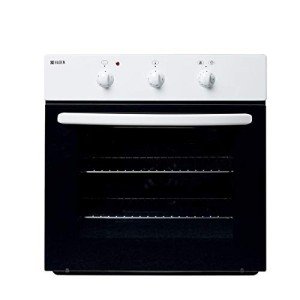

Built-In Range Oven
Overview
-
Founded Date April 17, 1951
-
Sectors Engineering
-
Posted Jobs 0
Company Description
20 Reasons Why Build In Oven Will Never Be Forgotten
The Ultimate Guide to Built-in Ovens: Enhancing Your Kitchen Experience
Built-in ovens have actually become a popular choice in contemporary kitchens, offering a mix of performance, style, and convenience. Unlike standard freestanding ovens, built-in ovens are integrated cooker and hob flawlessly into cabinets, offering a structured look that can boost the visual appeal of any kitchen. This article checks out the various kinds of built-in ovens, their advantages, installation factors to consider, and upkeep pointers.
Comprehending Built-in Ovens
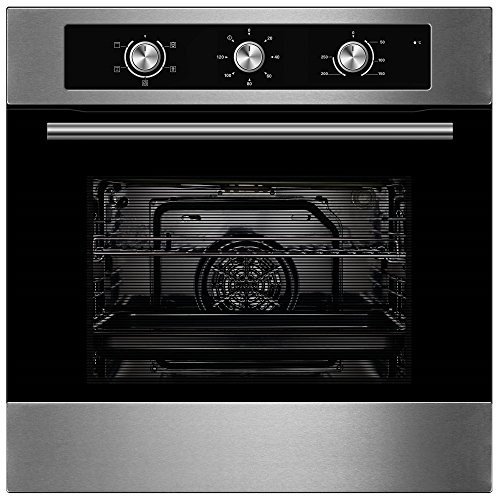
Built-in ovens are created to be set up directly into kitchen cabinetry, allowing for a more customized kitchen setup. They usually can be found in 2 primary types: single and double ovens.
Types of Built-in Ovens
-
Single Ovens: These systems offer one cooking compartment, suitable for smaller sized kitchens or homes where cooking needs are modest.
-
Double Ovens: As the name recommends, these systems feature 2 different cooking compartments, enabling users to cook several meals at different temperature levels simultaneously. This is especially beneficial for large families or those who frequently amuse guests.
-
Steam Ovens: These ovens prepare food utilizing steam, which can assist retain moisture and nutrients. Steam ovens are gaining appeal due to their health advantages.
-
Mix Ovens: These versatile appliances integrate the functions of a routine oven and a microwave, making them best for fast cooking and reheating.
Secret Features to Look For
When thinking about a built-in oven, there are several functions that can boost your cooking experience:
-
Smart Technology: Many modern-day built-in ovens come geared up with smart technology, permitting users to control their oven remotely by means of smartphone apps. Functions include pre-heating the oven, adjusting cooking times, and keeping track of cooking development.
-
Self-Cleaning Functions: Built-in ovens with self-cleaning abilities can conserve effort and time in kitchen upkeep.
-
Convection Heating: This function circulates hot air for even cooking, making it perfect for baking.
-
Security Features: Look for models equipped with functions like cool-to-the-touch oven doors and automatic shut-off alternatives for added security.
Advantages of Built-in Ovens
Visual Appeal: Built-in ovens supply a sleek and contemporary look that can enhance the total design of a kitchen. They can be included into cabinetry, making them less intrusive than freestanding models.
Space Efficiency: Built-in bulit-in ovens enhance kitchen space, especially in smaller sized cooking areas where every inch counts. They can be placed at eye level, making it easier to keep track of cooking without flexing down.
Boosted Functionality: With their advanced features, built-in ovens offer enhanced cooking experiences and increased performance compared to traditional ovens.
Installation Considerations
Installing a built-in oven requires cautious preparation and consideration. Here are some bottom lines to keep in mind:
-
Space Requirements: Ensure that the selected oven built in fits comfortably into the available cabinet space. Step the measurements accurately, representing ventilation and clearance requirements.
-
Electrical Requirements: Built-in ovens typically need a devoted electrical circuit. Talk to an electrical contractor for proper setup.
-
Ventilation: Proper ventilation is important for optimum oven efficiency. Confirm that the setup area has appropriate ventilation to avoid getting too hot and guarantee safe operation.
-
Expert Installation: While DIY installation might appear appealing, enlisting the assistance of a professional can guarantee that the oven is set up correctly and securely.
Setup Steps
| Setup Step | Description |
|---|---|
| Step 1: Measure | Procedure the cabinet opening for your oven. |
| Action 2: Prepare | Prepare the electric outlet and ventilation choices. |
| Step 3: Connect | Connect the oven to power, guaranteeing all security measures are complied with. |
| Step 4: Secure | Secure the oven within the cabinets, using suitable screws and brackets. |
| Step 5: Test | Run a test to guarantee the oven is working appropriately. |
Upkeep Tips
Routine upkeep can extend the life of your built-in oven and make sure optimal performance. Here are some upkeep ideas:
-
Clean Regularly: Wipe down the oven exterior and tidy the interior regularly. Use self-cleaning functions where offered.
-
Check Seals: Ensure that door seals are intact to preserve performance and cooking efficiency.
-
Monitor Performance: Pay attention to how your oven functions– if you discover irregular cooking or unusual sounds, it might require professional servicing.
-
Follow Manufacturer Guidelines: Always abide by the upkeep guidelines supplied by the producer. This can assist avoid issues and ensure that warranties remain valid.
FAQs about Built-in Ovens
-
What is the distinction in between a built-in oven and a freestanding oven?
- Built-in ovens are integrated cooker into cabinetry, providing a streamlined appearance, while freestanding ovens are standalone appliances that can be positioned anywhere in the kitchen.
-
Do built-in ovens need more upkeep than regular ovens?
- Not always. Maintenance depends on usage and cleaning habits more than the kind of oven. Routine care is important for all ovens.
-
Can I set up a built-in oven myself?
- While it is possible to install a built-in oven yourself, it is advised to work with an expert to guarantee safe and precise installation, especially concerning electrical requirements.
-
What are the average costs of built-in ovens?
- Expenses can differ significantly based on brand, functions, and specs. Basic models might start around ₤ 800, while high-end models can exceed ₤ 3,000.
-
Are built-in ovens energy-efficient?
- Numerous modern built-in ovens are created to be energy-efficient. Try to find models with an ENERGY STAR accreditation for the best performance.
In conclusion, built-in ovens are an excellent addition to any modern-day kitchen, integrating aesthetics with functionality. By understanding the different types of built-in ovens, their functions, and the associated setup and maintenance requirements, house owners can make an informed choice that enhances their cooking experience and overall kitchen design. As cooking innovation progresses, built-in ovens are likely to play an integral function in the future of home kitchens, ensuring delicious meals are prepared with ease and convenience.