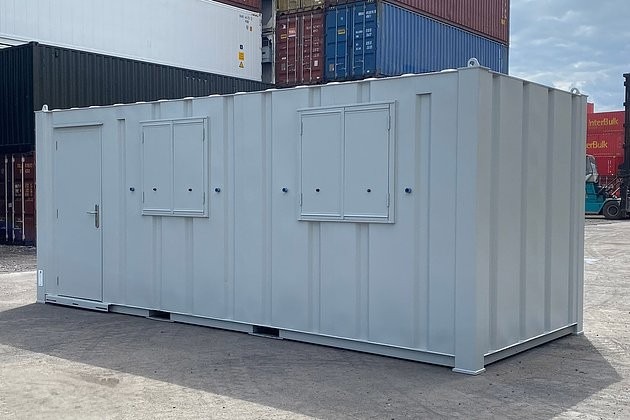

20ft Shipping Container
Overview
-
Founded Date February 19, 1928
-
Sectors Human Assets and Administration
-
Posted Jobs 0
Company Description
Guide To Shipping Container Leasing: The Intermediate Guide On Shipping Container Leasing
The Growing Trend of Shipping Container Leasing: A Comprehensive Guide
Recently, shipping container leasing has actually emerged as a feasible and sustainable option for businesses and people alike. Offered its functionality and cost-effectiveness, many sectors are taking advantage of the benefits of leasing containers instead of buying them outright. This article explores the ins and outs of shipping container leasing, its benefits, essential considerations, and answers to some typical concerns concerning the practice.
Understanding Shipping Container Leasing
Shipping container leasing includes renting a shipping container for a fixed duration. This setup is hassle-free for services that need temporary storage solutions or that take part in logistics and transport without the requirement to own containers outright.
Why Lease Shipping Containers?
The appeal of leasing shipping containers can be credited to several elements, each offering distinct benefits:
-
Cost Efficiency: Leasing typically requires less upfront capital than acquiring containers outright. This can maximize money for other critical areas in a business.
-
Versatility: With leasing agreements, companies can pick the duration of the lease based on their operational requirements, permitting them to adapt to altering circumstances rapidly.
-
No Maintenance Concerns: When leasing, the owner– typically the leasing business– bears the obligation of maintenance, repairs, and evaluations, minimizing the burden on the lessee.
-
Range of Options: Lease arrangements frequently supply access to various container types, sizes, and conditions, dealing with specific requirements.
-
Scalability: As businesses grow, they can quickly increase or decrease their variety of containers based on present demands, making it easier to scale operations.
Secret Considerations Before Leasing
Despite the advantages, several elements must be thoroughly weighed before going into a shipping container lease contract:
-
Duration of Lease: Understand the terms and length alternatives readily available. Is it a short-term lease, or is there an option for long-term leasing?
-
Container Condition: Inspect the container condition before signing any arrangement to ensure it satisfies the desired function– be it for storage, transport, or living areas.
-
Cost Structure: Look for hidden charges– such as delivery charges, or penalty costs for damages. Understand what is included in the lease arrangement.
-
Transport Logistics: If the container needs to be carried, ensure that the leasing business can accommodate delivery and pick-up logistics.
-
Insurance Options: Check what insurance covers the leased containers in case of damage or theft.
Shipping Container Leasing Options
The leasing market offers a variety of container types and leasing contracts to match various requirements. The table below offers a glimpse into common kinds of leasing alternatives:
| Leasing Type | Description | Perfect For |
|---|---|---|
| Short-Term Leasing | Leasings frequently lasting weeks to months. | Seasonal companies or occasions. |
| Long-Term Leasing | Normally covers multiple months to years. | Irreversible setups or organizations with continuous shipping requirements. |
| Dry Storage Leasing | Basic containers used for basic storage. | Organizations requiring dry storage. |
| Refrigerated Leasing | Containers geared up with refrigeration. | Disposable products or temperature-sensitive products. |
| Modified Containers | Containers adapted for particular usage needs. | Pop-up stores, mobile workplaces, etc. |
Benefits of Leasing vs. Buying
Below is a detailed contrast of the advantages of leasing shipping containers versus purchasing them outright:
| Category | Leasing | Buying |
|---|---|---|
| Upfront Cost | Lower initial financial investment. | High in advance expenses. |
| Upkeep | Less duty; company handles repair work. | Lessee is responsible for maintenance. |
| Versatility | Easy modification based on demand. | Hard to sell or customize. |
| Devaluation | No impact on balance sheets. | Loss of worth gradually. |
| Range | Access to various choices per requirement. | Restricted to what is bought. |
Regularly Asked Questions (FAQ)
-
How do I discover a reputable shipping container leasing company?
- Examine online reviews, compare leasing rates, and inquire about customer care to assess the reputation of various business.
-
What types of containers can be rented?
- Shipping containers can differ widely, consisting of basic dry vans, refrigerated containers, and even modified containers for specialized requirements.
-
What takes place at the end of a lease duration?
- At the end of the lease, the container is usually returned to the leasing company. Some business may offer a purchase option if you wish to keep it.
-
Exist any covert expenses in leasing containers?
- It’s crucial to read the leasing contract completely to identify any concealed costs associated with damage, cleaning, or early termination costs.
-
Can I customize the container during the lease?
- Generally, modifications require approval from the leasing business, as unauthorized changes can breach lease terms.
-
Is insurance coverage needed for rented containers?
- Lots of leasing companies need insurance for rented containers. It’s a good idea to check the specific requirements before leasing.
Leasing shipping containers offers a practical service for businesses and people requiring flexible and affordable storage or transport choices. With a market loaded with variety and competitive advantages, business can make informed choices customized to their particular needs. By comprehending the options available and carefully thinking about aspects before getting in a leasing arrangement, companies can best position themselves for success without the monetary concern of ownership.