

Portable Ramp
Overview
-
Founded Date March 16, 1922
-
Sectors Brand Management and Admin
-
Posted Jobs 0
Company Description
The Top Companies Not To Be In The Wheelchair Ramp Industry
Everything You Need to Know About Portable Wheelchair Ramps
In a progressively inclusive world, ensuring equal access for people with mobility difficulties has actually ended up being a top priority. Portable wheelchair ramps play an essential function in this mission, providing a safe and hassle-free option for overcoming barriers that can prevent mobility. This article delves into the benefits, functions, and necessary factors to consider for choosing the ideal portable wheelchair ramp.
What Are Portable Wheelchair Ramps?
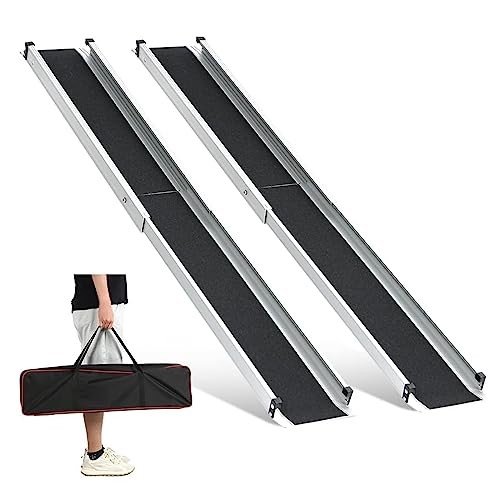
Portable wheelchair ramps are lightweight, quickly transportable structures created to offer ease of access for wheelchairs, scooters, and walkers. They allow people to navigate curbs, stairs, and other elevated terrain, making different environments more accessible.
Advantages of Portable Wheelchair Ramps
| Benefit | Description |
|---|---|
| Availability | Assists in safe entry into structures, cars, and outdoor areas. |
| Portability | Lightweight and foldable styles streamline transportation and storage. |
| Versatility | Can be used in multiple places– homes, parks, or at the office. |
| Cost-efficient | An inexpensive alternative to long-term setups for temporary needs. |
| Relieve of Use | Simple setup and takedown, enabling users to operate separately. |
| Variety of Options | Offered in various sizes and materials to suit specific user needs. |
Functions to Consider When Choosing a Portable Wheelchair Ramp
When selecting a portable wheelchair ramp, there are several essential features to keep in mind:
-
Material:

- Aluminum: Lightweight and rust-resistant, ideal for outside use.
- Plastic: Lightweight but may not bear as much weight.
- Wood: Provides durability however can be heavy and less weather-resistant.
-
Weight Capacity:
- Check the ramp’s weight limitation to ensure it supports both the user and the wheelchair or mobility device.
-
Length and Height:
- Measure the height of the step or curb to pick the suitable ramp length. A longer ramp has a gentler slope, which is simpler to navigate.
-
Surface Grip:
- Ensure that the ramp has a non-slip surface to supply traction, especially in damp conditions.
-
Foldability:
- A folding ramp is easier to carry and keep, making it ideal for those who need mobility options on the go.
-
Width:
- Adequate width is necessary to accommodate a basic wheelchair or scooter easily.
Types of Portable Wheelchair Ramps
| Type | Description |
|---|---|
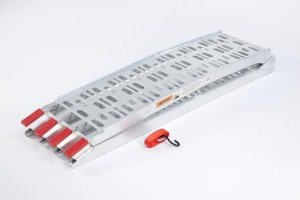
| Folding Ramps | Compact and easy to fold for transport, best for traveling. |
| Suitcase Ramps | Features a hinge in the middle, allowing it to fold like a travel suitcase for simple carrying. |
| Telescoping Ramps | Adjustable in length, accommodating varying heights and permitting adjustable use. |
| Limit Ramps | Brief ramps developed to bridge low vertical rises, such as doorways. |
How to Properly Use a Portable Wheelchair Ramp
-
Evaluate the Ramp Angle:
- Ensure the ramp is at a manageable angle. A slope ratio of 1:12 (1-inch increase for every 12 inches of ramp) is recommended for manual wheelchairs, while a ratio of 1:4 is appropriate for power chairs.
-
Protect the Ramp:
- Use the built-in safety straps or anchors to secure the ramp to the surface area, preventing motion during usage.
-
Support the User:
- If the user requires assistance, guarantee they are stabilized before initiating the climb or descent.
-
Clear the Path:
- Remove any challenges or debris from the ramp and surrounding area for a safe passage.
-
Practice Use:
- For new users, practice utilizing the ramp in a safe environment to construct confidence and familiarity.
FAQs About Portable Wheelchair Ramps
1. How do I figure out the correct ramp length?To determine the appropriate ramp length, measure the vertical rise(height)that needs to be gotten rid of. Utilize the recommended slope ratio(1:12 for manual wheelchairs), which means for every single inch of height, you’ll need 12 inches(or 1 foot )of ramp length. 2. Can I utilize a portable wheelchairramp on stairs?While most portable wheelchair ramps are designed for usage with curbs and low increases, specific designs might be able to accommodate stairs by being placed firmly at the top or bottom. Always examine maker standards, as security is paramount. 3. Are portable wheelchair ramps weather-resistant? Lots of ramps, particularly those made from aluminum, are rust-resistant and can endure different climate condition. Plastic
ramps are also frequently created for outdoor use, but wooden ramps may weaken in wet conditions unless dealt with. 4. How much weight can a portable wheelchair ramp hold?Weight capacities can vary widely based on the design and materials of the ramp. A lot of portable ramps support between 600 to 800 pounds, however always examine specs before use.
5. Can I use a ramp for other purposes?Yes! Portable ramps can also be used for strollers, carts, or accessing small trailers and vehicles, making them versatile accessories for numerous situations. Portable wheelchair ramps are essential tools that embody mobility and independence for individuals with mobility challenges. Comprehending their advantages, features, and proper use improves accessibility, enabling users to browse different environments with self-confidence.
By choosing the best ramp based on personal requirements and choices, users can take pleasure in enhanced quality of life and higher flexibility of motion. As our society continues to accept inclusivity, portable wheelchair ramps stand at the forefront of facilitating access for everyone.