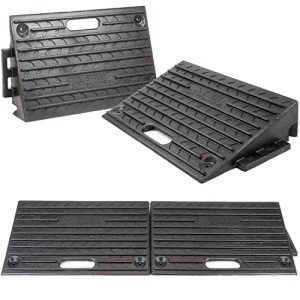

Portable Ramps For Wheelchairs
Overview
-
Founded Date July 11, 1936
-
Sectors Logistics
-
Posted Jobs 0
Company Description
Why Do So Many People Want To Know About Ramps For Wheelchairs?
The Ultimate Guide to Removable Ramps for Wheelchairs
As society relocations towards inclusivity, the need for available living spaces has ended up being more noticable. For individuals who rely on wheelchairs, removable ramps serve as critical tools to browse various environments. This comprehensive guide explores the significance of removable ramps, their advantages, types, and often asked concerns, all provided with clarity to ensure that anyone, regardless of their familiarity with the topic, can understand their importance.
Understanding Removable Ramps
Removable ramps are portable, lightweight structures created to help wheelchair users in overcoming obstacles such as stairs, curbs, and doorways. Unlike long-term ramps, these can be taken down and carried quickly, making them perfect for temporary usage in homes, public locations, or occasions.
Secret Features of Removable Wheelchair Ramps
| Feature | Description |
|---|---|
| Product | Frequently made from aluminum, plastic, or wood, making sure durability while being lightweight. |
| Mobility | Easy to move and keep, making them perfect for numerous uses and areas. |
| Adjustability | Some designs can be changed in height or length to accommodate different barriers. |
| Weight Capacity | Many ramps can support weights differing from 300 to 800 pounds, accommodating a wide variety of wheelchairs and users. |
Benefits of Using Removable Ramps
The benefits of removable wheelchair ramps extend far beyond mere availability. Here are a number of crucial benefits:
-
Flexibility: Removable ramps can be utilized in numerous areas, whether it be at home, work, or throughout trips.
-
Cost-Effective: Investing in removable ramps can be less expensive than constructing long-term ramps, especially for tenants who can not modify their homes.
-
Safety: They provide a safe service for wheelchair users to navigate unequal surface areas, lowering the risk of accidents or falls.
-
Variety of Options: Available in various sizes, weights, and materials, permitting users to find the perfect suitable for their requirements.
-
Storage: When not in use, removable ramps can be easily stored, releasing up area.
Types of Removable Ramps
Here’s a breakdown of the most typical kinds of removable ramps offered:
| Type | Description | Ideal Use Case |
|---|---|---|
| Folding Ramps | Compact, flexible ramps that can be folded for storage. | Suitable for lorries, home use, and travel. |
| Telescoping Ramps | Adjustable ramps that can be extended or reduced. | Ideal for varying heights and limits. |
| Solid Ramps | Non-folding, strong ramps that supply a constant surface. | Best for irreversible setups in temporary environments. |
| Threshold Ramps | Short, typically lightweight ramps developed for doorways. | Perfect for navigating curbs or doorsteps. |
Choosing the Right Removable Ramp
When choosing a removable ramp, a number of elements ought to be considered, including:
-
Weight Capacity: Ensure the ramp can support both the user and their wheelchair.
-
Length and Width: Measure the height of the step or limit and select a ramp that provides an appropriate slope.
-
Product: Decide in between alternatives like aluminum for mobility or a more strong product for stability.
-
Portability: Evaluate how far you will require to transport the ramp and select one that fits your needs.
-
Storage: Consider the area readily available for keeping the ramp when not in use.
Extra Considerations
Safety Features
When purchasing removable ramps, security ought to be a top priority. Functions to consider consist of:
-
Non-Slip Surface: Ensures traction for wheelchair wheels during usage, particularly in damp conditions.
-
Side Guards: Prevents the wheelchair from rolling off the edge.
-
Durability: Look for products created to endure outside conditions if required.
Installation
Although removable ramps are developed for ease of usage, some may require minimal assembly. Constantly examine the maker’s guidelines before usage.
Frequently Asked Questions (FAQs)
1. Are removable ramps costly?
Costs can differ substantially depending upon the size, material, and brand. Removable ramps might range from ₤ 100 to ₤ 700, making them a cost effective option compared to custom-built, long-term ramps.
2. How do I keep removable ramps?
Keep ramps clean and devoid of particles. Frequently inspect for signs of wear or damage, specifically if used outdoors, considering that weather conditions can impact integrity.
3. Can a single person set up a removable ramp?
Yes, many removable ramps are lightweight and designed for easy setup by a bachelor. However, it is a good idea to have help when lifting heavier models.
4. Will a removable ramp work for my wheelchair?
Many removable ramps are compatible with standard wheelchairs and scooters. Always validate the weight capability and measurements to guarantee compatibility.
5. Exist policies regarding ramps in public spaces?
Yes, the Americans with Disabilities Act (ADA) outlines specific standards for accessibility, consisting of ramp specs. If you plan to use ramps in public areas, guarantee they comply with regional regulations.
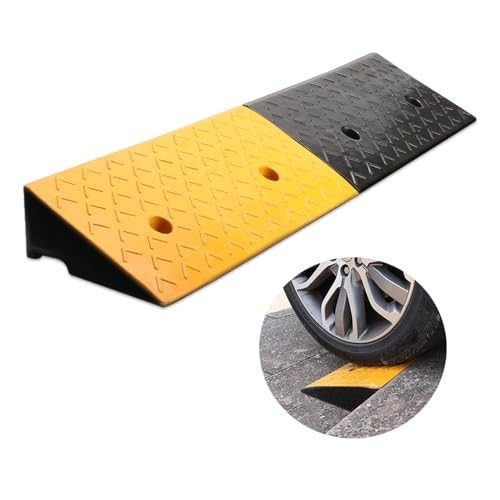
Removable ramps for wheelchairs are not just functional tools; they represent a society making every effort for ease of access and inclusivity. From boosting mobility to supplying security and benefit, the significance of these ramps can not be overemphasized. As the market continues to develop, users will find a lot more ingenious solutions customized to their needs, making sure that everybody can navigate their world with self-confidence and ease.
When choosing a removable ramp, keep in mind to evaluate individual requirements and seek advice from standards to take full advantage of safety and performance. The ideal ramp can open doors– actually and figuratively– enabling users to experience flexibility and self-reliance in their day-to-day lives.