

Pallets Storage
Overview
-
Founded Date December 24, 1955
-
Sectors Retail Support Management
-
Posted Jobs 0
Company Description
See What Wooden Pallets For Shipping Tricks The Celebs Are Utilizing
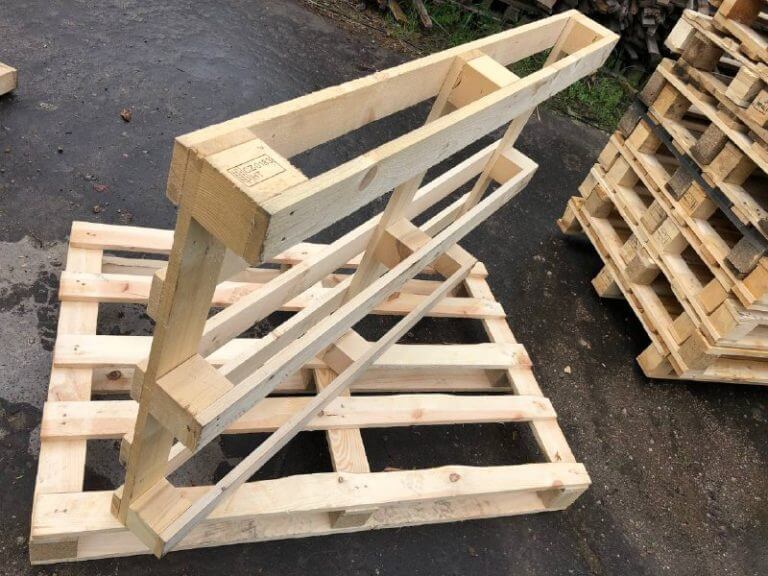
The Essential Guide to Wooden Pallets for Shipping
In the fast-paced world of logistics, efficient and trusted shipping methods are vital for services intending to satisfy client demands and preserve competitive benefits. Among the numerous shipping products available, wooden pallets have actually become the backbone of freight handling and transport. This post explores the importance of wooden pallets for shipping, their benefits, types, best practices, and addresses some frequently asked questions (FAQs) surrounding their use.
Why Wooden Pallets?
Wooden pallets are flat transport structures that support products while being lifted by forklifts, pallet jacks, or other material dealing with devices. They act as a base for shipping items in bulk, thus making sure safe and effective handling. Here are a couple of reasons wooden pallets are chosen:
-
Strength and Durability: Wooden pallets are made from natural wood, making them tough and efficient in supporting heavy loads. They can withstand misuse and direct exposure to different environmental conditions.
-
Economical: Compared to plastic or metal shipping alternatives, wooden pallets are normally more affordable to produce. This result provides an affordable solution for numerous organizations.
-
Sustainability: Wood is a renewable resource, and numerous pallets are made from recycled wood. In addition, wooden pallets can be fixed and reused, even more decreasing waste.
-
Flexibility: They can be developed to accommodate numerous sizes and shapes of products, making them ideal for diverse markets, including retail, agriculture, manufacturing, and logistics.
Table 1: Advantages of Wooden Pallets
| Benefit | Description |
|---|---|
| Strength | Supports heavy products and withstands rough conditions. |
| Affordable | Usually more affordable than plastic or metal choices. |
| Sustainability | Made from sustainable resources, promoting eco-friendliness. |
| Flexibility | Suitable for a large range of industries and items. |
Types of Wooden Pallets
Wooden pallets been available in numerous designs and configurations, permitting organizations to select the one that best fits their shipping needs. Here are the primary types:
1. Stringer Pallets
These are constructed utilizing three or more longitudinal pieces of wood known as stringers, which support the deck boards. Stringer pallets are usually used for heavy loads and can be easily repaired.
2. Block Pallets
Blocks are developed with a top and bottom deck connected to wooden blocks. This type offers remarkable stability and enables managing from all four sides, making them simpler to steer.
3. Designated Pallets
These pallets are custom-built based upon specific market requirements and products’ measurements. While they can be more expensive, they offer tailored solutions for distinct shipping requirements.
4. Expendable Pallets
These pallets are designed for one-time usage and are typically made from lower-quality wood. They are frequently used for global shipping and then got rid of upon arrival.
Table 2: Types of Wooden Pallets
| Type | Description | Use |
|---|---|---|
| Stringer Pallets | Made with longitudinal pieces for heavy loads. | General shipping |
| Block Pallets | Deals stability and dealing with flexibility. | Heavy and varied loads |
| Designated Pallets | Custom-made for specific needs. | Specialized shipping |
| Expendable Pallets | Created for one-time use; typically lower quality. | International shipping |
Best Practices for Using Wooden Pallets
To ensure optimal performance and safety when utilizing wooden pallets for shipping, services should comply with the following best practices:
1. Regular Inspections
Regularly inspect pallets for damage, wear, or contamination. Determine any structural faults that could compromise load stability and change if necessary.
2. Appropriate Handling Techniques
Train personnel on appropriate lifting, stacking, and maneuvering methods to lower injury risks and damage to payloads.
3. Load Distribution
Guarantee that loads are evenly distributed on the pallet to avoid tipping or collapse during transportation.
4. Stacking and Storing
When keeping pallets, stack them nicely and firmly. Make sure that lower pallets can bearing the load from the upper levels.
5. Compliance with Standards
Familiarize yourself with your country’s wooden pallet requirements and policies (e.g., IPPC ISPM 15) for global shipping to prevent pest problem and guarantee safe transit.
Frequently Asked Question About Wooden Pallets for Shipping
Q1: Are wooden pallets safe for food?
A1: Yes, wooden pallets can be safe for food if they are made from heat-treated wood compliant with food safety standards. Nevertheless, organizations must ensure correct hygiene practices are followed.
Q2: How can I tell if a wooden pallet is damaged?
A2: Look for cracks, broken boards, splinters, or warped sections. If the pallet feels unsteady or unsteady when standing on a level surface area, it ought to not be used.
Q3: Can wooden pallets be reused?
A3: Absolutely! Wooden pallets are created for multiple usages, and they can be fixed if damaged. Recycling pallets minimizes waste and is affordable.
Q4: How do I dispose of harmed wooden pallets?
A4: Damaged pallets can be recycled into biomass fuel, landscaping mulch, or other items. Guarantee they are dealt with appropriately in accordance with regional regulations.
Q5: What are the ecological impacts of using wooden pallets?
A5: Wooden pallets can have a favorable ecological impact due to their renewability and recyclability. However, sustainable sourcing practices are important to minimize logging and habitat loss.
Wooden pallets remain a vital part of efficient shipping and logistics. Their strength, cost-effectiveness, and adaptability make them a trustworthy option for organizations throughout numerous industries. By understanding the various types of pallets and embracing best practices, business can maximize the capacity of their shipping operations while guaranteeing security and sustainability. Whether you’re a little company or a big enterprise, wooden pallets can play a critical role in the supply chain, improving performance and enhancing expenses.