

Kitchen Cooker Hood
Overview
-
Founded Date March 22, 2005
-
Sectors Investment and Partnership
-
Posted Jobs 0
Company Description
Modern Cooker Hood Techniques To Simplify Your Daily Lifethe One Modern Cooker Hood Trick That Every Person Must Learn
The Modern Cooker Hood: An Essential Kitchen Appliance
In recent years, the modern kitchen has evolved to include not only advanced visual appeals but likewise advanced technology that improves performance. Among these necessary devices is the cooker hood, a gadget that plays a vital role in keeping air quality, removing smells, and enhancing general cooking experiences. This blog post will look into the numerous elements of modern cooker hoods, including types, features, advantages, installation considerations, and maintenance ideas.
What is a Cooker Hood?
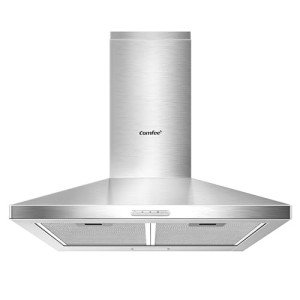
A cooker hood, or range hood, is a kitchen home appliance installed above the cooking system to ventilate the air by removing smoke, steam, odors, and airborne grease. By doing so, it creates a comfortable cooking environment and assists preserve the tidiness and hygiene of the kitchen.
Kinds Of Cooker Hoods
Modern cooker hoods been available in different design and styles, enabling homeowners to choose one that fits their kitchen design and individual preferences. Here are the most typical types:
| Type | Description | Advantages |
|---|---|---|
| Wall-mounted | Fixed to the wall above the stove; commonly used. | Easy installation, aesthetic adaptability. |
| Under-cabinet | Mounted beneath kitchen cabinets for a discreet look. | Space-saving design, budget-friendly choice. |
| Island | Suspended from the ceiling over a kitchen island. | Elegant focal point, ideal for open kitchens. |
| Downdraft | Constructed into the cooktop and rises when needed, retracting after use. | Space-efficient, modern visual. |
| Professional | Designed for high-performance cooking, typically more powerful. | Ideal for serious cooks, high extraction rates. |
Secret Features to Consider
When picking a modern cooker hood, there are a number of functions to take into account:
-
Extraction Method: Cooker hoods usually utilize one of two methods to aerate: ducted or recirculating. Ducted hoods vent air outside, while recirculating hoods filter air and return it to the kitchen.
-
CFM Rating: The CFM (Cubic Feet per Minute) score determines the hood’s ventilation power. A greater CFM suggests more powerful suction, making it more efficient in removing smoke and smells.
-
Noise Level: Consider the sound level (determined in sones) of the hood, especially if the kitchen belongs to an open-plan living space. Modern designs frequently feature quieter operation for improved comfort.
-
Lighting: Built-in lighting not just brightens the cooking area but likewise boosts security. LED lights are a popular choice, using energy efficiency and durability.
-
Filters: Many cooker hoods include washable aluminum or stainless-steel filters, which are simple to keep. Some high-end models also feature charcoal filters for odor reduction.
Advantages of Using a Cooker Hood
Incorporating a cooker hood into a kitchen supplies many advantages:
-
Improved Air Quality: By filtering out smoke, steam, and odors, a cooker hood improves indoor air quality, making the kitchen more pleasant to work in.
-
Prevention of Grease Build-up: Cooker hoods effectively catch air-borne grease, decreasing accumulation on surfaces and home appliances, consequently conserving time and effort on cleaning.
-
Enhanced Cooking Experience: A well-ventilated kitchen can boost the general cooking experience, enabling better focus and enjoyment.
-
Energy Efficiency: Many modern cooker hoods include energy-efficient functions that lower power consumption while guaranteeing reliable ventilation.
-
Visual Value: With a wide range of design and styles, cooker hoods can be a lovely centerpiece in a kitchen, including visual interest the general style.
Setup Considerations
Before setting up a cooker hood, it’s necessary to consider the following:
-
Kitchen Layout: The position of the cooking unit, cabinets, and ceiling height will influence the type of hood ideal for the space.
-
Ducting: For ducted hoods, sufficient ducting needs to be prepared for correct air ventilation. This may involve wall or ceiling work and potentially modifying existing structures.
-
Power Supply: Ensure that there is a source of power near the installation website, particularly for designs with integrated lighting and other electrical features.
Maintenance Tips
To ensure ideal efficiency and durability of a cooker hood, routine maintenance is essential. Here are some tips:
-
Clean Filters Regularly: Depending on frequency of usage, wash aluminum or stainless steel filters each month or more. Charcoal filters must be changed as recommended by the manufacturer.
-
Wipe Down the Exterior: Keep the hood clean by wiping down the exterior with a soft fabric and mild cleaning agent to avoid grease accumulation.
-
Check the Ductwork: If using a ducted model, ensure to occasionally examine the ductwork for obstructions or leaks, which can impair performance.
-
Inspect the Light Bulbs: Replace any burnt-out bulbs quickly to make sure consistent exposure while cooking.
-
Service the Moto: Consider having the hood’s motor checked by a professional if sound levels increase significantly or if the extraction power appears reduced.
Regularly Asked Questions
1. Do I truly require a cooker hood?
Yes, a cooker hood is vital for preserving air quality, lowering grease accumulation, and guaranteeing an enjoyable cooking environment.
2. How do I know which kind of cooker hood to pick?
Consider your kitchen design, the kind of cooking you do, and your personal style. Each type of hood has its benefits and can accommodate various area restrictions.
3. How typically should I clean my cooker hood?
It’s recommended to clean the filters each to two months and the exterior regularly to keep its look and performance.
4. Can I install a cooker hood myself?
While some homeowners may choose to set up a cooker hood themselves, professional setup is recommended for ducted designs due to the intricacy included.
5. What’s the distinction in between ducted and recirculating cooker hoods?
Ducted hoods vent air outside, while recirculating hoods cleanse the air with filters and release it back into the kitchen.
In conclusion, modern cooker hoods not just represent a considerable improvement in kitchen innovation however likewise enhance the total cooking experience. By picking the right style, understanding necessary features, and adhering to proper maintenance procedures, homeowners can enjoy a cleaner and more pleasant kitchen environment.