

A2 Zertifikat Kaufen
Overview
-
Founded Date December 3, 2003
-
Sectors Investment and Partnership
-
Posted Jobs 0
Company Description
The Best Way To Explain Goethe A1 Certificate To Your Boss
The Goethe A1 Certificate: A Comprehensive Guide
The Goethe A1 Certificate, known as “Goethe-göthe Zertifikat A1: Start Deutsch 1,” is a significant credential for people who wish to demonstrate their fundamental proficiency in the German language. This certification is recognized around the world and is typically a stepping stone for those entering the German-speaking world. In this blog site post, we will look into the specifics of the Goethe A1 Certificate, the reasons to pursue it, and a detailed assessment of the examination format.
What is the Goethe A1 Certificate?
The Goethe A1 Certificate is an entry-level German language qualification that lines up with the Common European Framework of Reference for Languages (CEFR). This accreditation proves that the prospect can comprehend and utilize daily phrases and basic sentences. It mainly targets beginners to the German language, making it a perfect option for beginners.
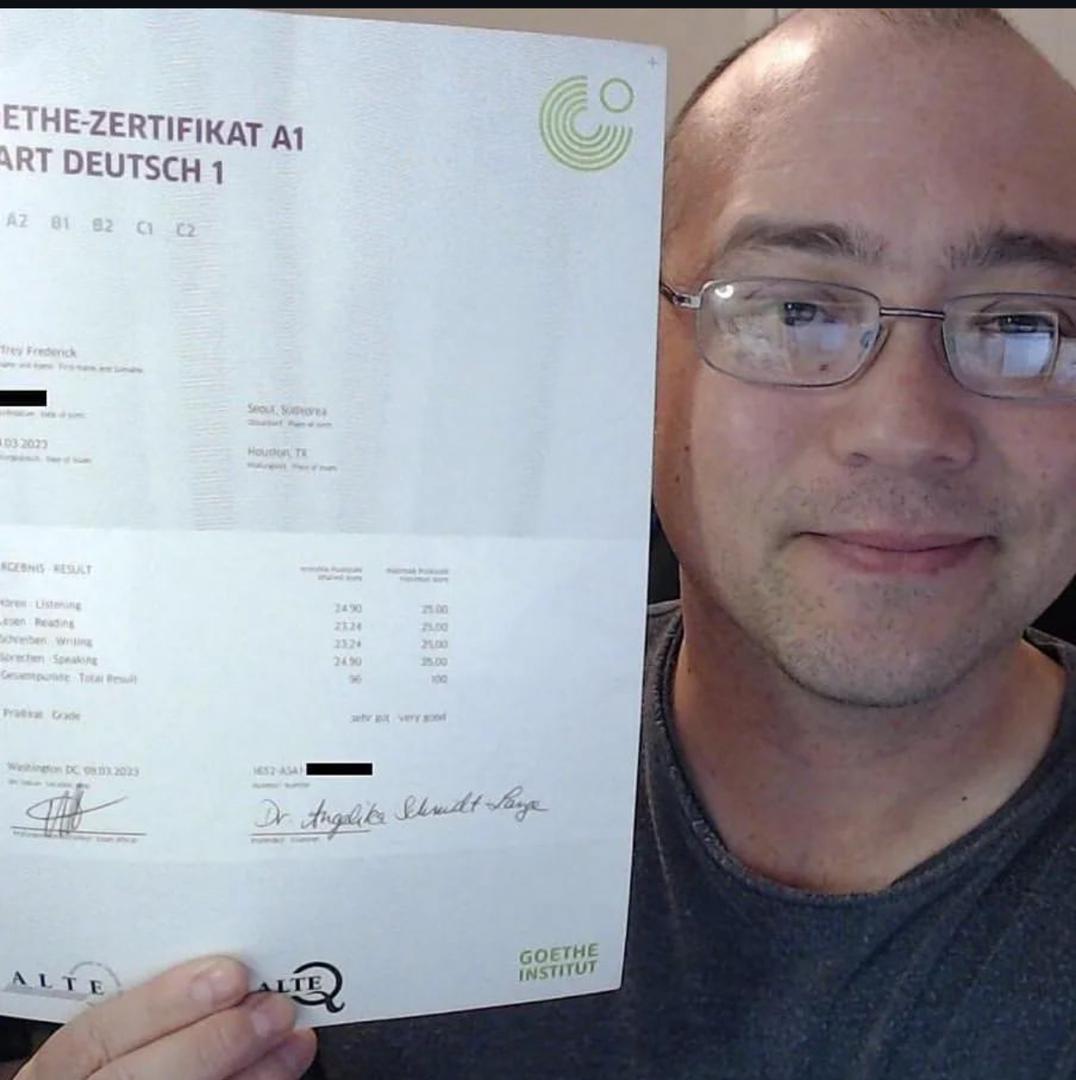
Key Features of the Goethe A1 Certificate
| Feature | Details |
|---|---|
| Level | A1 (Beginners) |
| Duration of Test | Approximately 70-100 minutes |
| Test Components | Checking out, Writing, Listening, Speaking |
| Passing Score | 60% or above (differs by organization) |
| Validity | No expiration |
| Acknowledgment | Globally acknowledged by schools and employers |
Why Pursue the Goethe A1 Certificate?
There are numerous engaging factors to pursue the Goethe A1 Certificate, whether you are planning to study, work, or travel in German-speaking countries. Here are a few essential inspirations:
1. Academic and Professional Opportunities
Numerous educational organizations in Germany require proof of language proficiency for admission to courses. Likewise, employers in German-speaking countries often prefer candidates with official certifications in the language.
2. Developing a Solid Foundation
The Goethe A1 Certificate equips students with fundamental German language skills, laying a solid structure for advanced research studies or proficiency tests. It prepares candidates for both social interactions and fundamental scholastic activities.
3. Self-confidence in Communication
Attaining the Goethe A1 Certificate increases learners’ self-confidence, enabling them to participate in easy conversations and reveal standard needs in German. This can considerably boost their experience while traveling or residing in German-speaking locations.
4. Recognition of Language Skills
Obtaining the certificate acts as a tangible recognition of a person’s language skills, which can be a helpful addition to a resume or CV.
Examination Format
The Goethe A1 examination is divided into four main parts, each designed to check various language abilities. Below is an introduction of each element:
1. Listening Comprehension
- Duration: 20-30 minutes
- Format: Candidates listen to brief dialogues or monologues and address questions based upon what they hear.
- Topics: Everyday situations such as shopping, greetings, and fundamental information exchange.
2. Checking out Comprehension
- Period: 30 minutes
- Format: Candidates check out brief texts, including ads, schedules, and individual letters, followed by comprehension concerns.
- Abilities Tested: Ability to understand simple written language and extract appropriate info.
3. Written Expression
- Period: 20 minutes
- Format: Candidates compose short texts, such as submitting a form or composing an easy letter.
- Focus: Correct usage of standard syntax and vocabulary.
4. Oral Expression
- Period: 10-15 minutes
- Format: One-on-one interaction with an examiner, where candidates answer questions about themselves and react to triggers.
- Emphasis: Simple conversation, pronunciation, and basic language use.
Summary of the Examination Components
| Part | Duration | Main Tasks |
|---|---|---|
| Listening Comprehension | 20-30 minutes | Answer questions based on audio recordings |
| Checking out Comprehension | 30 minutes | Checking out brief texts and addressing understanding questions |
| Composed Expression | 20 minutes | Writing easy texts, filling kinds, short letters |
| Oral Expression | 10-15 minutes | Taking part in a basic conversation with an inspector |
Frequently asked questions About the Goethe A1 Certificate
1. Who can take the Goethe A1 evaluation?
The examination is open to anyone who wishes to certify their fundamental German language abilities, despite age or background.
2. How can I prepare for the Goethe A1 exam?
Prospects can prepare by taking German language courses, using online resources, practicing with books, and taking part in conversation groups. There are also particular practice products readily available from the Goethe-Institut.
3. What is the registration process for the exam?
Prospects can register for the evaluation through the Goethe-Institut’s website or regional evaluation centers. It typically involves selecting a test date and paying a cost.
4. Is the exam performed in-person or online?
As of the most recent updates, the assessment is mostly performed in-person at designated centers. Nevertheless, some areas might use online testing alternatives.
5. What occurs if I do not pass the examination?
Prospects can retake the examination as sometimes as required. It is advisable to focus on locations that require improvement before reattempting.
The Goethe A1 Certificate represents an essential milestone for language students starting their journey in the German language. It offers many benefits, from improving academic prospects to supplying a trustworthy step of language abilities. By preparing efficiently for the evaluation and comprehending the format, prospects can browse their course towards higher efficiency and self-confidence in utilizing German.
For individuals eager to welcome the German language and culture, the Goethe A1 Certificate is a formidable initial step. With commitment and practice, accomplishing this certification can open doors to further exploration and chances in German-speaking environments.