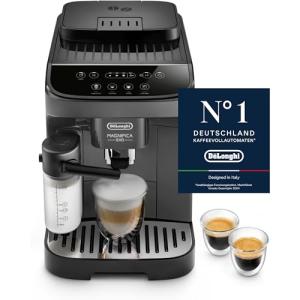

Compact Espresso Machine
Overview
-
Founded Date October 21, 1992
-
Sectors Investment and Partnership
-
Posted Jobs 0
Company Description
5 Killer Quora Answers To Italian Espresso Machine
The Exquisite World of Italian Espresso Machines
Espresso is not simply a kind of coffee; it’s a culture, a ritual, and an experience definitely Italian. The abundant scent that fills a café, the sound of the espresso machine hissing steam, and the precise way the barista pulls the shot– all contribute to an amazing story. The heart of this experience depends on the Portable Espresso Maker machine, especially when it originates from Italy. In this article, we will check out the intricate world of Italian espresso machines, supplying insights into their history, types, key functions, and what to try to find when purchasing one.
A Brief History of Espresso Machines
The origin of the espresso machine can be traced back to the early 20th century. It was in Italy where inventiveness met demand, leading to the creation of machines that would transform coffee culture throughout the globe.
Timeline of Key Developments
| Year | Development |
|---|---|
| 1901 | Desiderio Pavoni patented the first espresso machine, “La Pavoni.” |
| 1938 | Achille Gaggia presented the lever machine, producing thicker crema. |
| 1961 | Faema developed the very first electrical espresso machine, boosting barista effectiveness. |
| 1980s | Digital controls and programmable functions changed home espresso machines. |
| 2000s | Technologies like PID controllers became mainstream for precise temperature control. |
Today, Italian espresso machines stay an epitome of craftsmanship and technology, representing not simply coffee-making however an embodiment of Italian lifestyle.
Types of Italian Espresso Machines
Italian espresso machines can be broadly categorized into a number of types. Each type has unique characteristics customized to the requirements of consumers, from beginner home users to professional baristas.
1. Manual Espresso Machines
These machines interest the purists who appreciate the art of developing. Users control every element of the procedure, from pressure to timing.
- Pros: Full control over the espresso-making procedure, frequently produces remarkable quality shots.
- Cons: Requires practice, time-consuming, and might be intimidating for newbies.
2. Semi-Automatic Espresso Machines
Integrating the advantages of both manual and automatic machines, these deal more control than automatic machines while streamlining the developing procedure.
- Pros: Balance between automation and skill, much easier to produce consistent shots.
- Cons: Still requires some technical knowledge.
3. Automatic Espresso Machines
These machines take control of the brewing procedure, offering benefit without compromising quality.
- Pros: Easy to use, perfect for busy homes or cafés.
- Cons: Less control over the brewing process; more dependence on machine calibration.
4. Super-Automatic Espresso Machine Espresso Machines
These all-in-one machines do whatever– from grinding the beans to frothing the milk– at the push of a button.
- Pros: Ultimate benefit, ideal for those who want quality coffee with minimal effort.
- Cons: Usually expensive, and you may need to compromise on some variables in the developing process.
5. Piston and Lever Espresso Machines
These vintage models use a manual experience and are known for producing abundant, delicious shots due to the artisan nature of the developing procedure.
- Pros: Retro appeal, preserves genuine Espresso Machine With Dual Shot-making experience.
- Cons: Limited availability and can be rather costly for quality models.
Summary Table of Espresso Machine Types
| Type | Pros | Cons |
|---|---|---|
| Manual | Full control, remarkable quality | Lengthy, requires ability |
| Semi-Automatic | Balance in between control and alleviate | Requires some technical know-how |
| Automatic | Easy to utilize, constant quality | Less control over brewing |
| Super-Automatic | Ultimate benefit | Typically costly |
| Piston/Lever | Retro beauty, authentic experience | Restricted availability, cost-intensive |
Key Features to Look for in Italian Espresso Machines
When evaluating an Italian espresso machine, numerous features can drastically impact performance and user experience. Here are some vital elements:
1. Quality of Materials
- Stainless Steel vs. Plastic: Stainless steel is durable and offers much better thermal retention, whereas plastic might affect the lifespan and taste.
- Boiler Type: Single versus double boilers; dual boilers allow for simultaneous brewing and steaming.
2. Temperature Control
- PID Controllers: Essential for keeping steady temperatures throughout extraction time, boosting taste extraction.
3. Pressure Control
- Pump Type: Vibration pumps prevail in home machines, while rotary pumps are normally found in commercial machines. Greater pressure assists produce much better espresso shots.
4. Ease of Cleaning
- Machines with detachable brew heads, drip trays, and steam wands make maintenance a breeze.
5. Size and Aesthetics
- Think about the size of your cooking area and pick a machine that complements your decoration.
Frequently Asked Questions (FAQ)
Q1: What is the distinction in between espresso and coffee?
A1: Espresso is a concentrated form of coffee brewed by requiring hot water through finely-ground coffee beans, leading to a rich flavor and thicker consistency compared to regular brewed coffee.
Q2: Do I need to use a particular type of coffee for espresso?
A2: While you can utilize different coffee types, Espresso Brewer is typically made from espresso beans– medium to dark roasts with vibrant flavors.
Q3: How often should I clean my espresso machine?
A3: Clean your Best Espresso Machine UK machine after every usage to maintain the flavor. Conduct a deep cleaning at least when a month, including descaling.
Q4: Can I use my espresso machine to make other types of coffee?
A4: Yes, many espresso machines can likewise brew Americanos and other specialized drinks, depending upon their functions.
Q5: How long should I extract my espresso shot?
A5: A basic extraction time for a double shot is in between 25-30 seconds.
Investing in an Italian espresso machine transcends simple coffee-making; it links you to a rich culture and the art of espresso developing. Whether one choose a manual, semi-automatic, or super-automatic machine, the pride in pulling an ideal espresso shot is widely satisfying. With technology advancing and Italian craftsmanship popular worldwide, individuals can discover a machine that fits completely into their way of life while elevating their espresso experience. So why wait? Dive into the terrific world of Italian espresso and satiate your coffee yearnings with credibility and design!